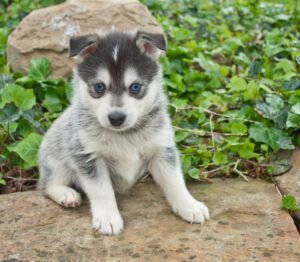
When searching for a pomsky puppy, one of the first questions most buyers ask is about size. Because pomskies are a cross between the Siberian husky and the Pomeranian, they can inherit a wide range of sizes. This variety makes them appealing to families with different living spaces and lifestyles. Understanding pomsky size categories helps you make an informed choice that balances your expectations with the needs of the puppy.
Pomsky breeders typically refer to three main categories which are toy, mini and standard. Each category is influenced by breed standard heights, weight ranges and structural traits. By looking closer at these categories you will be able to see how fitness, temperament and care requirements connect with overall size.
For more insight into pomsky breed characteristics, you can explore resources directly from American Pomsky which is dedicated to educating potential buyers about responsible breeding and care.
Why Size Categories Matter
Choosing the right pomsky size is not only about appearance but also about lifestyle. Families living in city apartments often prefer smaller toy or mini pomskies, while those with larger homes and backyards may choose a standard size. Size also plays a role in:
- Energy levels and activity requirements
- Feeding amounts and long-term nutrition
- Living space compatibility
- Handling and daily care routines
Toy Pomskies
Toy pomskies are the smallest in the category. They typically weigh between 7 and 15 pounds and stand under 12 inches in height. Their petite frame makes them a suitable choice for individuals or couples living in small spaces.
Key traits of toy pomskies include:
- Petite and compact build
- Enjoy short walks and light play sessions
- Require gentle handling due to delicate frame
Despite their size, toy pomskies maintain athletic traits inherited from their husky lineage. They enjoy play sessions and short walks but do not require as much activity as larger categories. Owners should still prioritise daily engagement to prevent boredom.
Mini Pomskies
Mini pomskies sit between toy and standard sizes. They usually weigh between 15 and 25 pounds and measure 12 to 15 inches tall. This size offers balance. They are small enough to adapt to apartment living but still sturdy and athletic for active households.
Mini pomskies are popular among families who want a dog with a noticeable husky look but without the large size of a standard category. Their exercise needs are moderate.
Common benefits of mini pomskies are:
- Adaptability for apartments or homes
- Moderate exercise needs
- Balanced look between toy and standard categories
For families who want to learn more about available puppies and options, exploring breeder listings and financing choices can be helpful.
Standard Pomskies
Standard pomskies are the largest within the breed. They often weigh between 25 and 35 pounds and stand 15 to 18 inches tall. This size is best for households with larger spaces and active routines.
They thrive with consistent exercise such as longer walks, outdoor play or even agility training. Standard pomskies can make excellent companions for active individuals who enjoy spending time outdoors.
Highlights of the standard pomsky include:
- Robust and athletic frame
- Higher stamina and energy levels
- Best suited for active or spacious households
Breed Standard Heights and Weight Ranges
The following table outlines typical ranges across the three categories. These are general estimates, and individual puppies may vary depending on genetics and breeder practices.
| Pomsky Size Category | Height Range (inches) | Weight Range (pounds) | Typical Build |
|---|---|---|---|
| Toy | Under 12 | 7 to 15 | Petite, compact |
| Mini | 12 to 15 | 15 to 25 | Balanced, sturdy |
| Standard | 15 to 18 | 25 to 35 | Athletic, robust |
Athletic versus Toy Builds
The difference between toy and standard pomskies is not only about measurement but also about body composition. Toy builds often appear more compact with delicate bone structure, while standard builds lean towards athletic frames with stronger muscles and greater stamina. Mini pomskies represent a balance of both.
When choosing between these builds, consider:
- Your own activity level and exercise habits
- Available indoor and outdoor space
- Ability to meet exercise requirements
How Fitness Relates to Size
Maintaining fitness in pomskies is crucial regardless of size category. Smaller pomskies are more prone to weight gain if overfed and under-exercised, while larger pomskies need sufficient activity to keep their joints healthy.
A balanced diet, regular vet checkups and daily exercise contribute to long-term wellness. Owners should not rely only on size expectations but rather observe their puppy’s individual energy levels and needs.
Regional Considerations for Ohio and Midwest Owners
While pomskies are adaptable to different regions, Ohio homeowners in particular may need to consider seasonal changes. Toy and mini pomskies may require more warmth during cold winters due to their smaller body mass, while standard pomskies may adjust more easily to colder temperatures.
Hot summers require care across all categories. Fresh water, shaded spaces and controlled exercise times prevent overheating. Ohio families should plan activities based on climate to support their dog’s wellbeing.
Alignment with Breed Standards
Although pomskies are not yet fully recognised by the American Kennel Club, breeders often use guidelines based on crossbred standards. Responsible breeders emphasise health and structure over extreme sizes. Buyers should be cautious of anyone marketing sizes outside the normal range, as these may be achieved through poor breeding practices.
Working with reputable breeders who provide transparency and health information ensures your pomsky matches expected size categories. If you want to connect directly with professionals, you can contact American Pomsky breeders for accurate advice
Lifestyle Matching with Pomsky Size
Selecting the right pomsky size category ultimately comes down to lifestyle. Examples include:
- City apartment living with limited space pairs well with a toy pomsky
- Suburban households with moderate outdoor access suit a mini pomsky
- Rural homes or highly active families may enjoy the companionship of a standard pomsky
Longevity and Care Across Sizes
Regardless of size, pomskies can enjoy long and healthy lives when cared for properly. Grooming, exercise, diet and preventive vet care all play equal roles. Owners should expect to dedicate consistent time to training and socialisation, which are vital for balancing the energetic husky temperament with the affectionate Pomeranian personality.
Conclusion
By considering breed standard heights, weight ranges, activity levels, and your own lifestyle, you can confidently choose a Pomsky that will thrive in your home. To explore your options or connect with knowledgeable breeders, visit American Pomsky Breeders.
Frequently Asked Questions
Pomskies generally range between 7 and 35 pounds, depending on whether they fall into toy, mini or standard categories.
Toy pomskies have smaller bone structure and require careful handling. With proper care, they can be healthy and lively companions.
Mini pomskies can adapt well to apartment living but appreciate outdoor space for play and exercise.
Standard pomskies usually reach 25 to 35 pounds and stand up to 18 inches tall, making them similar in size to medium dogs.
Size may influence energy levels, but temperament is more affected by breeding and training. All categories need socialisation and guidance.